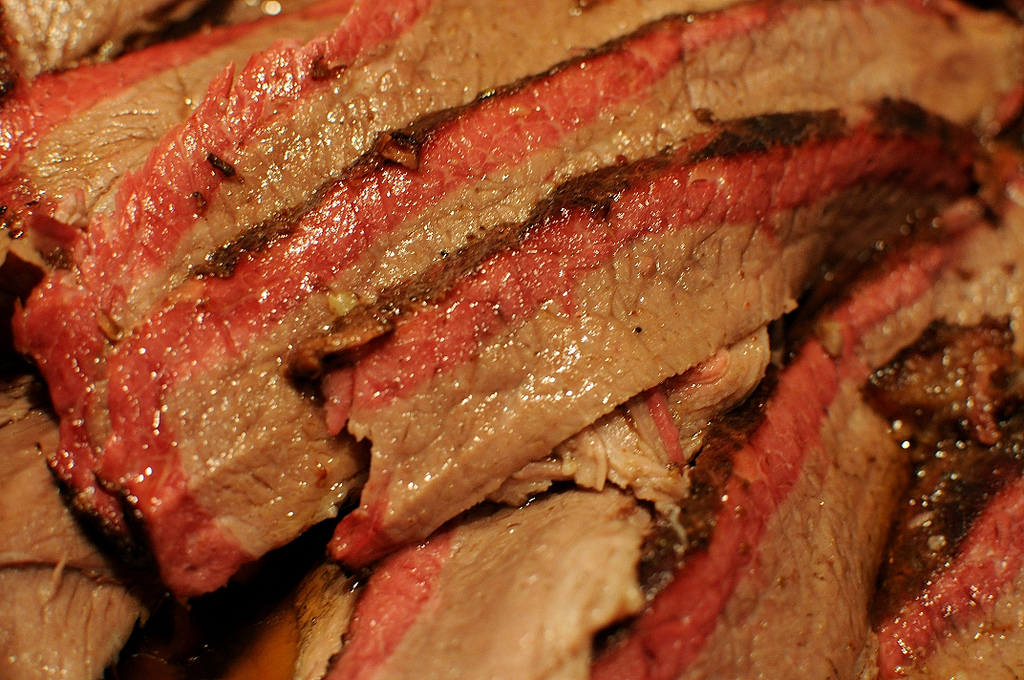
There's a reason the phrase "everything's bigger in Texas" often applies to its barbecue scene, and at the heart of it all lies the legendary Texas-style smoked brisket. More than just a meal, it's a culinary quest, a labor of love, and a testament to patience. Achieving that perfect balance of a smoky, peppery bark, a vibrant pink smoke ring, and meat so tender it practically melts in your mouth is the ultimate goal for any aspiring pitmaster. This isn't about fancy sauces or complicated marinades; it's about honoring the beef with simple seasoning, time, and the magic of wood-fired smoke.
From backyard grill masters to competitive BBQ champions, the pursuit of the ideal smoked brisket unites enthusiasts globally. It transforms a tough, often overlooked cut of beef into a magnificent feast, embodying the true spirit of low and slow cooking. Let's delve into the rich history, the fascinating science, and the essential pitmaster secrets that unlock the unparalleled flavor of Texas brisket.
The Storied History of Texas Brisket
The journey of Texas brisket from humble origins to its current iconic status is a captivating tale rooted in immigration and ingenuity. In the 19th century, Central Texas became a melting pot for Czech and German immigrants, many of whom were skilled butchers. They brought with them traditions of smoking and preserving meats, often utilizing lesser-desired cuts of beef that were more affordable.
The brisket, a muscle from the lower chest of the cow, was initially considered tough and challenging. However, these resourceful immigrants discovered that with prolonged, low-temperature smoking over native hardwoods like post oak, the brisket could be transformed. This slow cooking process broke down the connective tissues, making the meat incredibly tender and flavorful. Early establishments, such as Kreuz Market in Lockhart, were instrumental in popularizing this method, with documented advertisements for smoked brisket appearing as early as 1910.
By the mid-20th century, particularly from the 1950s onward, German-style butcher shops evolved into full-fledged barbecue joints, refining the art of low-and-slow smoking over indirect heat. This era saw the elevation of brisket from a mere economical cut to the undisputed king of Texas barbecue. Iconic institutions like Louie Mueller Barbecue in Taylor further cemented the dish's place in Texas culinary heritage, making the perfectly smoked brisket an essential experience for locals and visitors alike.
The Science of Low & Slow: Why It Works for Brisket
Understanding the science behind low and slow cooking is crucial to mastering smoked brisket. Brisket is a hard-working muscle, meaning it's packed with a significant amount of collagen – a tough connective tissue that makes raw brisket incredibly chewy. Attempting to cook brisket quickly at high temperatures would result in dry, unpalatable meat.
This is where the magic of "low and slow" comes into play. When brisket is cooked for many hours at a consistent, low temperature (typically between 225°F and 275°F), several transformative processes occur:
- Collagen Breakdown: The gentle, prolonged heat slowly breaks down the tough collagen fibers into gelatin. Gelatin is a wonderfully tender, lubricating substance that gives brisket its characteristic melt-in-your-mouth texture and incredible juiciness. This process requires time; rushing it leaves the collagen intact.
- Fat Rendering: Brisket, especially a full packer cut, contains significant intramuscular fat (marbling) and a fat cap. Low temperatures allow this fat to slowly render, basting the meat from within and contributing to its rich flavor and moistness. Improper rendering can leave pockets of unappetizing, rubbery fat.
- Smoke Penetration: Low temperatures also facilitate better smoke penetration. The compounds in wood smoke adhere to the surface of the meat and penetrate its outer layers, creating the distinctive smoky flavor and the beautiful pink "smoke ring" just beneath the bark. Too high a temperature quickly cooks the surface, sealing it off before significant smoke can be absorbed.
- Moisture Retention: While some moisture loss is inevitable, cooking at lower temperatures minimizes evaporation, helping the brisket retain more of its natural juices throughout the long cook. Wrapping the brisket partway through (often called "the Texas Crutch") further aids in moisture retention and pushing past the "stall."
The interplay of these scientific principles ensures that a tough, fibrous cut of beef is transformed into a tender, juicy, and exquisitely flavorful masterpiece of smoked brisket.
Pitmaster Tips for Achieving Brisket Perfection
While the science explains *why* low and slow works, it's the pitmaster's touch that brings it to life. Here are essential tips for producing a truly unforgettable smoked brisket:
1. Selecting the Right Brisket
The foundation of great brisket starts at the butcher shop. Opt for a "full packer" brisket, which includes both the "flat" (leaner muscle) and the "point" (fattier muscle). Look for USDA Prime or Choice grades, as these will have better marbling, which translates to more flavor and moisture. A good brisket will feel pliable and have even fat distribution. Typically, a packer cut weighs between 8 and 16 pounds.
2. Expert Trimming is Non-Negotiable
Trimming is an art form. You want to remove hard, thick fat that won't render, but leave a consistent 1/4 inch fat cap on the top side. This fat cap acts as an insulator, keeps the meat moist, and contributes to the bark. Trim any silver skin or overly thin edges that might burn during the long cook. A well-trimmed brisket ensures even cooking and prevents undesirable textures.
3. The Iconic Simple Rub
Texas-style brisket celebrates the beef, not complicated seasonings. The authentic Central Texas rub consists almost exclusively of coarse-ground black pepper and kosher salt. Some pitmasters might add a hint of garlic powder, but the emphasis remains on simplicity. Apply the rub generously and evenly over all surfaces. Allow the brisket to sit with the rub for at least an hour at room temperature, or ideally, overnight in the refrigerator, to allow the salt to penetrate and enhance the flavor.
4. The Right Wood for the Smoke
For an authentic Texas flavor profile, post oak is king. It provides a clean, mild smoke that complements the beef without overpowering it. If post oak isn't available, other mild hardwoods like hickory or even fruit woods such as cherry or apple can be used, but use them sparingly to avoid an overly intense smoky flavor. The goal is a subtle, aromatic infusion, not an acrid burn.
5. Mastering the Cook: Temperature, Stall, and Wrap
- Consistent Temperature: Maintain your smoker's temperature between 225°F and 275°F. Consistency is key for proper rendering and collagen breakdown.
- The Stall: Around the 150-170°F internal temperature mark, your brisket will likely "stall." This is due to evaporative cooling as moisture from the brisket's surface evaporates, cooling the meat. Don't panic.
- The Texas Crutch: To push through the stall and retain moisture, many pitmasters wrap the brisket. Butcher paper is preferred over foil as it allows some breathability, preserving more of the bark while still accelerating the cook and retaining moisture. Wrap tightly when the bark has set to your liking (usually around 165-175°F internal temp).
- Target Temperature: Continue cooking until the internal temperature reaches 195-205°F, but more importantly, until it feels "probe tender." A thermometer probe should slide into the meat with minimal resistance, like pushing into soft butter. This usually takes 6-12 hours or even more, depending on the brisket's size and the smoker.
6. The Critical Rest
Once your smoked brisket is probe tender, resist the urge to slice it immediately. This is arguably the most crucial step. Rest the brisket, still wrapped, in a cooler (without ice) or an oven set to its lowest warming temperature (around 150°F) for at least 1-4 hours. Longer rests are often better. Resting allows the muscle fibers to relax and reabsorb the juices, ensuring a supremely moist and tender result. Slicing too early will cause precious juices to gush out, leaving you with dry meat.
Slicing against the grain is the final flourish, presenting perfect slices of tender, juicy, and flavorful Texas-style smoked brisket.
Conclusion
The allure of Texas brisket lies not just in its incredible taste, but in the journey it represents—a blend of history, scientific precision, and dedicated craftsmanship. From its humble beginnings to its revered status today, preparing a truly exceptional smoked brisket is an adventure that demands patience, attention to detail, and a deep respect for the meat. By understanding the low and slow science, selecting the right cut, mastering the trim, embracing simple seasonings, and allowing ample time for the cook and rest, you too can achieve that coveted mahogany bark, glistening smoke ring, and supremely tender texture that defines the ultimate Texas barbecue experience. It's a culinary triumph that's well worth the wait.
