How to Smoke Texas Brisket: The Low & Slow Guide to Tender Perfection
There's something almost mythical about a perfectly
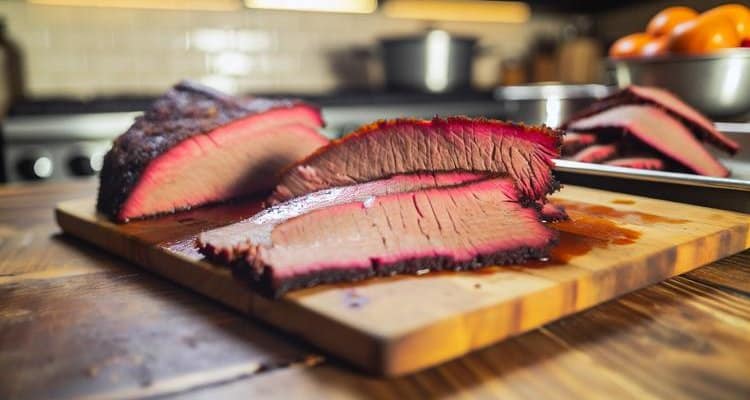
smoked brisket. It's the ultimate BBQ challenge, a true test of patience, precision, and pitmaster dedication. When done right, it delivers an unparalleled culinary experience: a deep, mahogany bark, a vibrant smoke ring, and meat so tender it practically melts on your tongue, oozing with rich, beefy flavor. This isn't just a recipe; it's an adventure into the heart of Central Texas barbecue, where simple ingredients and time-honored techniques transform a tough cut of beef into succulent perfection. Whether you're a seasoned grill master or embarking on your first brisket journey, this comprehensive guide will walk you through every step to achieve that legendary Texas-style glory.
The Philosophy of Texas Smoked Brisket: Simplicity is King
The essence of authentic Texas barbecue, particularly when it comes to
smoked brisket, lies in its beautiful simplicity. Unlike other BBQ traditions that might lean heavily on complex rubs, marinades, or basting sauces, true Central Texas brisket proudly stands on just three pillars: the quality of the beef, pure wood smoke, and a humble seasoning of salt and coarse black pepper.
This minimalist approach isn't a shortcut; it's a deliberate choice. It’s about letting the natural, robust flavor of the beef shine through, enhanced only by the subtle aromatics of hardwood smoke. The brisket itself, typically a whole packer cut from the cow's lower chest, is a hardworking muscle rich in connective tissue. This is precisely why the "low and slow" method is crucial. Extended cooking at gentle temperatures meticulously breaks down these tough fibers, rendering them into succulent, buttery goodness. It's a testament to the idea that great ingredients, treated with respect and patience, don't need to be complicated to be extraordinary. This tradition dates back to the 19th century, where Czech and German immigrants adapted smoking techniques to elevate inexpensive cuts like brisket, transforming them from humble fare into a Texas staple.
Essential Preparations: Selecting, Trimming, and Seasoning Your Brisket
Before the smoke begins, meticulous preparation sets the stage for success. Don't underestimate these initial steps; they are fundamental to achieving that perfect
smoked brisket.
Choosing the Right Brisket
Not all briskets are created equal. For authentic Texas barbecue, you'll want a "whole packer" brisket. This means it includes both the "flat" (the leaner, larger section) and the "point" (the fatter, marbled section). Look for a cut weighing between 8 to 16 pounds, with good marbling – those streaks of intramuscular fat that promise tenderness and flavor. Generally, higher grades like USDA Prime or Choice will yield superior results due to their fat content, which melts during the long cook, basting the meat from within. A well-marbled brisket is your foundation for a truly juicy and flavorful outcome.
The Art of Trimming
Trimming is more than just removing excess fat; it's about shaping the brisket for even cooking and optimal bark development. Your goal is to create a consistent fat cap of about ¼ inch thick on the top (fat side).
*
Fat Cap: This layer protects the meat, adds moisture, and renders into deliciousness. Too thick, and it prevents smoke penetration and bark formation; too thin, and the meat can dry out. Aim for that ¼ inch sweet spot.
*
Hard Fat & Silver Skin: Remove any large chunks of hard, impenetrable fat and tough silver skin from both sides. These won't render down and will result in chewy bites.
*
Shape: Trim off any thin, wispy edges that will inevitably burn or dry out during the long smoke. A well-trimmed brisket will be more aerodynamic in the smoker, allowing heat and smoke to circulate evenly.
The Texas Rub
The legendary Texas rub is refreshingly simple: coarse kosher salt and coarse black pepper. That's it. While some pitmasters might add a hint of garlic powder, the purist approach lets the beef and smoke dominate.
*
Ratio: A common starting point is a 50/50 ratio by volume, though many prefer a slightly higher pepper content (e.g., 60/40 pepper to salt).
*
Application: Apply the rub generously to all surfaces of the brisket. Don't be shy – you'll need a good amount to form that distinctive bark. The coarse texture of the salt and pepper creates surface area for the smoke to adhere, forming a flavorful crust.
*
Resting with the Rub: Once seasoned, let the brisket rest. At least an hour at room temperature is good, but ideally, place it in the fridge overnight (up to 12-18 hours). This allows the salt to penetrate the meat, enhancing flavor and moisture retention. Ensure air can circulate around the brisket in the fridge for a drier surface, which aids in bark formation.
Mastering the Low & Slow Smoke: Temperature, Wood, and Technique
Now, the real magic begins. Smoking a brisket is a marathon, not a sprint, and consistency is your most valuable tool.
Your Smoker Setup
The beauty of
smoked brisket is that it can be achieved on various smokers: offset smokers, pellet grills, or kamado-style ceramic grills. The key is maintaining a consistent, stable temperature. Invest in a reliable dual-probe thermometer: one for the ambient smoker temperature and one for the internal meat temperature. A water pan inside the smoker can also help stabilize temperatures and add moisture to the cooking environment, preventing the brisket from drying out.
The Right Wood for the Job
The choice of wood significantly impacts the flavor profile of your
smoked brisket.
*
Post Oak: This is the gold standard for Texas barbecue, offering a clean, relatively mild smoke that complements beef beautifully without overpowering it.
*
Alternatives: Hickory provides a stronger, bacon-like flavor, while pecan offers a sweeter, nuttier profile. Both are excellent choices if post oak isn't available.
*
Avoid: Mesquite, while popular in some regions, can be too intense and acrid for a long brisket cook, often leading to a bitter taste. Stick to milder hardwoods for tender perfection.
The Smoking Process: From Start to Stall
Preheat your smoker to a consistent temperature range of 225-275°F. While 250°F is a common target, maintaining it within this window is perfectly fine. Place your brisket fat-side up (or down, depending on your smoker's heat source, to protect the lean flat) directly on the grates.
*
The Initial Phase: The first several hours are critical for smoke penetration and bark development. Resist the urge to open your smoker frequently; "if you're looking, it ain't cooking." The brisket will slowly develop that gorgeous mahogany hue.
*
The Stall: Around the 6-8 hour mark, or when the internal temperature reaches 150-170°F, your brisket will likely hit "the stall." This is where the internal temperature plateaus, sometimes for hours, due to evaporative cooling as moisture from the surface evaporates. This can be frustrating, but it's a normal part of the process.
*
Wrapping: To push through the stall and preserve moisture, many pitmasters choose to wrap their brisket. Butcher paper is preferred by many Texans as it allows the brisket to breathe slightly while still retaining moisture and allowing bark to continue developing. Aluminum foil creates a tighter seal, steaming the brisket, which can result in a softer bark. For an in-depth look at this crucial step, check out
Authentic Texas Smoked Brisket: Bark, Ring & Melt-in-Mouth Magic. Wrap when the bark has set and the color is where you want it (usually around 160-170°F internal temp).
The Final Push to Tender Perfection
Continue cooking the wrapped brisket until it reaches an internal temperature of 195-205°F. However, temperature is only one indicator; tenderness is paramount.
*
Probe Tender: The true test is "probe tender." When you insert your thermometer probe into the thickest part of the flat, it should slide in with very little resistance, feeling like it's going into warm butter. This indicates that the connective tissues have fully broken down. Don't rush this stage; often, a brisket needs to rest in the 195-205°F range for a while to become perfectly tender.
The Crucial Rest and Slice: Unlocking Maximum Juiciness
You've put in the hours, battled the stall, and achieved tenderness. Now, the hardest part: waiting. But this final step is non-negotiable for a truly sublime
smoked brisket.
The Importance of Resting
After reaching probe tenderness, immediately remove the brisket from the smoker. Leave it wrapped (or re-wrap if it tore) and place it in an insulated cooler or an oven set to its lowest "keep warm" setting (around 150°F).
*
Why Rest: Resting allows the muscle fibers to relax and, critically, for the internal juices to redistribute evenly throughout the meat. If you slice too early, those precious juices will flood out onto your cutting board, leaving you with dry brisket.
*
Duration: A minimum rest of 1-2 hours is essential, but 3-4 hours is even better. Many pitmasters rest their briskets for much longer, sometimes up to 6 hours or more, in a well-insulated cooler. The longer rest often results in an even more tender and juicy product.
Slicing Against the Grain
Once rested, it's time to slice and serve your masterpiece. Pay close attention to the grain of the meat.
*
Identify the Grain: The grain of the flat and the point run in different directions. Carefully separate the flat from the point. Slice the flat against the grain into pencil-thin slices (about ¼ inch thick).
*
The Point: The point can be sliced thicker, chopped for sandwiches, or even cubed and returned to the smoker with sauce for "burnt ends." Always cut against the grain to ensure maximum tenderness in every bite.
* For more historical context and advanced tips, delve into
Texas Brisket Secrets: History, Low & Slow Science, and Pitmaster Tips.
Congratulations, pitmaster! You've navigated the challenging yet incredibly rewarding journey of smoking a Texas brisket. This low and slow method, relying on quality beef, simple seasoning, and the magic of wood smoke, culminates in a culinary triumph. The melt-in-your-mouth tenderness, the deep smoky flavor, and that glorious bark are your reward for patience and precision. So fire up your smoker, trust the process, and get ready to impress your friends and family with the ultimate expression of barbecue perfection. Happy smoking!