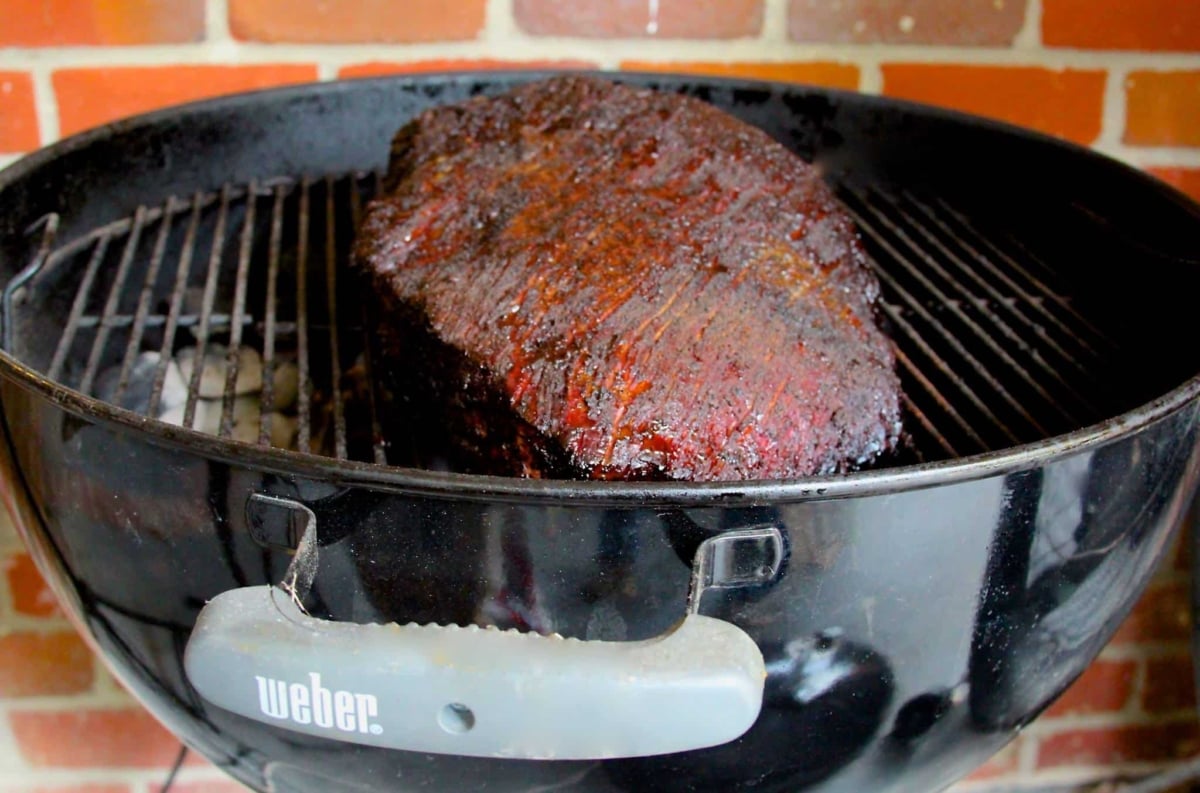
Authentic Texas Smoked Brisket: Bark, Ring & Melt-in-Mouth Magic
There’s a culinary alchemy that happens when beef meets smoke in the heart of Texas, transforming a humble cut into an iconic masterpiece: authentic Texas smoked brisket. This isn't just barbecue; it's a testament to patience, tradition, and the profound beauty of simplicity. The ultimate goal? A brisket defined by three legendary characteristics: a crusty, flavorful bark, a vibrant, deep smoke ring, and meat so tender it literally melts in your mouth with every bite. Achieving this trifecta of perfection requires understanding the core principles that have elevated Texas barbecue to legendary status.
The Essence of Texas Smoked Brisket: Simplicity Reigns Supreme
At its core, authentic Texas smoked brisket doesn't rely on complex marinades, elaborate injections, or heavy sauces. Its genius lies in its purity. The philosophy is straightforward: high-quality beef, simple seasoning, consistent smoke, and unwavering patience.
The star of this show is the **whole packer brisket**, typically weighing between 8 and 16 pounds, comprising both the "flat" (leaner) and the "point" (fattier) muscles from the cow's lower chest. This is a hard-working muscle, dense with connective tissue, which is precisely why it demands the "low and slow" cooking method. Over hours, gentle heat meticulously breaks down these tough fibers, transforming them into succulent, buttery gelatin, creating the signature melt-in-your-mouth texture.
When it comes to fuel, Central Texas pitmasters almost exclusively champion **post oak**. This hardwood imparts a clean, subtle, yet distinct smoky flavor that beautifully complements the beef without overpowering it. While other hardwoods like hickory can be used, post oak remains the gold standard for its balanced, earthy aroma.
Seasoning is another area where Texas tradition dictates minimalism. Forget the dozens of spices found in many commercial rubs. For an authentic Texas smoked brisket, all you truly need is **coarse black pepper and kosher salt**. This simple "Dalmatian rub" creates a savory crust that enhances the beef's natural flavor and contributes significantly to the formation of that coveted bark. It allows the quality of the beef and the whisper of the wood smoke to truly shine, highlighting the nuanced flavors developed over the long cooking process.
Crafting the Perfect Bark, Ring, and Melt: A Pitmaster's Journey
The journey to a perfect Texas smoked brisket is as much an art as it is a science. Each step plays a critical role in achieving the desired characteristics.
Selecting and Prepping Your Brisket
The magic begins with the right canvas. Opt for a high-quality, USDA Choice or Prime grade whole packer brisket with good marbling – streaks of fat within the muscle – which translates to juiciness and flavor.
Once you have your brisket, trimming is the crucial first step. The goal is to create an aerodynamic shape for even smoke penetration and to ensure a consistent fat cap. Trim the hard, "deckle" fat between the flat and point, as well as any excessively thick fat on the exterior. The ideal fat cap thickness on the leaner side of the brisket is about
1/4 inch. This layer helps protect the meat from drying out during the long cook while rendering down to contribute to the rich flavor and succulent bark.
After trimming, it’s time for the seasoning. Apply your simple salt and coarse black pepper rub generously over the entire surface of the brisket. Many pitmasters advocate letting the seasoned brisket sit uncovered in the refrigerator for at least an hour, or even better, overnight. This "dry brining" process allows the salt to penetrate the meat, drawing out moisture and then reabsorbing it, resulting in a more flavorful and tender final product. It also helps create a drier surface, which is essential for bark formation.
The Low & Slow Dance with Smoke
This is where the transformation truly takes hold. Maintaining a consistent temperature is paramount. The sweet spot for smoking a brisket is typically between
225°F and 275°F. A lower temperature ensures gentle cooking, allowing the connective tissues to slowly break down without drying out the meat.
The smoking phase can last anywhere from 6 to 12 hours or even longer, depending on the size and characteristics of your brisket and the consistency of your smoker. Around the 150-170°F internal temperature mark, you'll likely encounter the infamous "stall" – a period where the brisket’s internal temperature plateaus. This is due to evaporative cooling as moisture from the meat cools its surface. To push through this and retain moisture, many pitmasters choose to wrap the brisket.
Butcher paper is preferred by many as it allows for some breathability, preserving more of the bark's texture, while foil creates a steamy environment that tenderizes effectively but can soften the bark.
The brisket is cooked not to a specific time, but to a specific level of tenderness. While a target internal temperature of
195-205°F is a general guideline, the true indicator is probe tenderness. When a thermometer probe slides into the thickest parts of both the flat and the point with minimal resistance, feeling like "warm butter," your brisket is done.
The Crucial Rest
Once your brisket reaches probe-tender perfection, resist the urge to slice into it immediately. The post-smoke rest is arguably the most critical, yet often overlooked, step. This period, lasting anywhere from
1 to 4 hours, allows the internal temperature to equalize and, crucially, for the muscle fibers to relax and reabsorb the juices that have migrated to the center during cooking. Cutting it too soon will result in a dry brisket as those precious juices escape. Rest your wrapped brisket in an insulated cooler, a warm oven, or wrapped in towels to maintain its temperature during this vital phase.
Beyond the Basics: Tips for Texas Smoked Brisket Success
Achieving that legendary bark, ring, and melt-in-your-mouth magic requires attention to detail and a commitment to the process.
*
Consistency is Key: Your smoker's ability to hold a stable temperature is paramount. Invest in a good thermometer for both ambient smoker temperature and internal meat temperature. Erratic temperature swings will result in uneven cooking and a less desirable outcome.
*
Trust Your Senses: While internal temperature guides you, learn to trust probe tenderness as the ultimate indicator of doneness. Every brisket is unique.
*
Fuel Management: For offset smokers, consistent fire management is crucial. For pellet or kamado grills, ensure your fuel supply is adequate for the long cook.
*
Embrace the Journey: Brisket smoking is an adventure. Don't be afraid to experiment slightly with wood types or wrapping techniques, but always adhere to the low and slow principle.
*
Slice Against the Grain: Once rested, pay close attention to the grain of the meat. Slice against it to ensure maximum tenderness. The flat and point have grains that run in different directions, so separating them before slicing is often recommended.
For a more detailed walkthrough of the entire smoking process, dive into our
How to Smoke Texas Brisket: The Low & Slow Guide to Tender Perfection, which covers everything from initial setup to carving techniques.
A Taste of History: The Legacy of Texas Brisket
The story of Texas smoked brisket is deeply intertwined with the history of immigration and culinary adaptation in the Lone Star State. Its roots trace back to the 19th century, when Czech and German immigrants, settling in Central Texas, brought with them a rich tradition of butchery and sausage making. Faced with tougher, less expensive cuts of beef like brisket, they ingeniously applied their smoking techniques to tenderize and preserve the meat.
Early establishments like Kreuz Market in Lockhart, which began advertising smoked brisket around 1910, played a pivotal role in popularizing the dish. By the mid-20th century, particularly from the 1950s onward, German-style butchers further refined the low-and-slow smoking methods over indirect heat, transforming brisket from a humble, often overlooked cut into the undisputed king of Texas barbecue. Iconic joints such as Louie Mueller Barbecue in Taylor cemented its status, attracting devotees from across the globe. This rich heritage is why the simple, wood-fired approach remains so revered; it’s a direct link to the ingenuity and traditions of generations past. To truly appreciate the journey of this iconic dish, explore
Texas Brisket Secrets: History, Low & Slow Science, and Pitmaster Tips, which delves deeper into its fascinating evolution.
Conclusion
Authentic Texas smoked brisket is more than just food; it’s an experience, a challenge, and ultimately, a profoundly rewarding triumph. The journey from a tough, raw cut of beef to slices bursting with flavor, boasting that signature mahogany bark, a vibrant smoke ring, and an impossibly tender, melt-in-your-mouth texture, is a testament to the power of tradition, patience, and true pitmaster pride. Whether you're feeding a crowd, competing for glory, or simply seeking to master one of barbecue's holiest grails, embracing the low and slow method with simple ingredients will unlock the magic of Texas brisket. The effort is significant, but the reward – that first perfect bite – makes every hour worth it.